Exploring the Creative Potential of Face Recognition Concept Design in Visual Communication
Face recognition concept design is more than just a technological trend—it's a powerful visual storytelling tool that bridges the gap between artificial intelligence and human perception. Whether used in web banners, infographics, or hero images, this design approach leverages the familiarity and emotional weight of facial features to convey complex ideas in an accessible, engaging manner. As digital experiences become more personalized and data-driven, face recognition visuals offer a compelling way to represent innovation, security, and user-centric design.
Understanding Face Recognition Concept Design
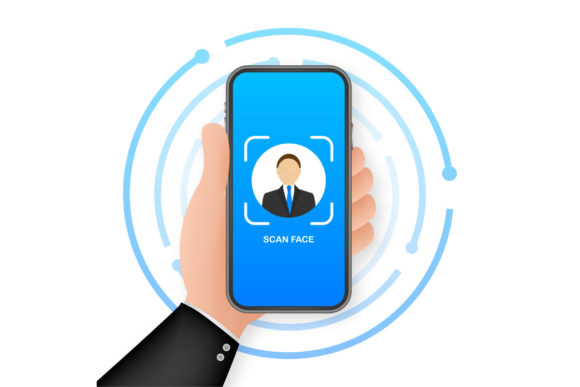
At its core, face recognition concept design is a visual framework that illustrates how systems identify and verify individuals based on facial features. This concept is often abstracted into artistic representations that highlight key elements such as biometric scanning, data mapping, and pattern recognition. These visuals are not literal depictions of the technology but rather symbolic interpretations that communicate the essence of facial recognition in a way that resonates with a broad audience.
Designers use a combination of geometric shapes, light effects, and layered transparency to simulate the scanning and analysis process. The result is a dynamic, futuristic aesthetic that aligns with themes of innovation, security, and digital identity. This makes face recognition concept design a versatile asset across multiple industries, from tech startups to marketing agencies and educational institutions.
Applications Across Industries
The adaptability of face recognition concept design allows it to be used in a variety of contexts, each with its own visual emphasis and messaging goal. Here are some key applications where this design style shines:
- Digital Marketing: Banners and hero images featuring face recognition visuals can enhance landing pages for AI-driven products or services. These graphics help communicate the sophistication of the technology while maintaining a clean, modern aesthetic.
- Educational Infographics: Explaining how facial recognition works can be challenging for non-technical audiences. Concept designs simplify the process by using visual metaphors such as grid overlays, glowing contours, and motion lines to represent facial data mapping and algorithmic processing.
- Corporate Presentations: When pitching new technologies or discussing cybersecurity strategies, face recognition visuals can serve as professional, high-impact illustrations that reinforce the credibility and relevance of the topic.
- UI/UX Prototypes: Designers working on facial recognition interfaces often use concept art to visualize how users will interact with the system. These visuals help stakeholders understand the flow and design decisions before development begins.
Why Vector Illustrations Are Ideal for Face Recognition Concept Design
When it comes to creating scalable, high-quality visuals, vector illustrations are the preferred format for face recognition concept design. Unlike raster images, vectors use mathematical formulas to define shapes and lines, ensuring crisp clarity at any size. This scalability is essential for assets that may be used across different platforms—from mobile screens to large-format print banners.
Vector-based face recognition designs also offer flexibility in editing. Designers can easily adjust colors, layer effects, and individual elements without compromising image quality. The inclusion of an EPS 10 editable file ensures that professionals can tailor the design to fit specific branding guidelines or layout requirements. Additionally, the high-resolution JPG files (300 dpi, 3000 pixels) provide an immediate, ready-to-use version for quick deployment across websites and presentations.
Design Characteristics That Define Face Recognition Concept Art
Effective face recognition concept design balances technical accuracy with artistic expression. While the goal is not to depict the technology in a literal sense, the visuals must still align with the underlying principles of facial scanning and data analysis. Key characteristics include:
- Geometric Overlays: Grids, triangles, and hexagonal patterns often appear in these designs to symbolize data mapping and feature extraction.
- Light Effects: Glowing lines, soft halos, and subtle gradients are used to represent scanning motion and digital recognition.
- Transparency and Layering: Multiple layers with varying opacity levels create depth and suggest the complexity of facial recognition algorithms.
- Minimalist Human Elements: Often, the human face is stylized rather than photorealistic, focusing on outlines and key features like eyes and mouth to evoke recognition without distraction.
Real-World Examples of Face Recognition Concept Design in Action
Consider a cybersecurity company launching a new authentication service based on facial recognition. Instead of using technical diagrams or generic lock icons, the marketing team incorporates a concept design that shows a face being scanned by a network of glowing lines. This image immediately conveys the idea of secure, intelligent verification without requiring detailed explanation.
Another example is a university course on artificial intelligence. An infographic uses face recognition concept design to explain how neural networks process facial data. The illustration simplifies the technical process into a visual narrative, making it more approachable for students who are new to the subject.
Choosing the Right Format for Your Needs
When selecting face recognition concept design assets, understanding the format options is crucial. The two primary deliverables—JPG files and EPS 10 editable vectors—serve different purposes:
- JPG Files (300 dpi, 3000 pixels): Ideal for immediate use in websites, social media, and presentations. These high-resolution images ensure clarity and sharpness on both digital and printed materials.
- EPS 10 Files: Designed for scalability and customization, EPS files allow designers to modify colors, shapes, and layout elements to align with brand identity or specific project requirements.
For teams that need both speed and flexibility, having access to both formats ensures that they can deploy visuals quickly while retaining the ability to refine them over time.
Considerations for Effective Use of Face Recognition Visuals
While face recognition concept design offers many benefits, it's important to use these visuals thoughtfully to avoid misinterpretation or overuse. Here are a few considerations to keep in mind:
- Avoid Overly Technical Depictions: The goal is to communicate the concept, not the mechanics. Keep visuals abstract enough to be accessible while still reflecting the core idea of facial recognition.
- Respect Cultural and Ethical Sensitivities: Facial recognition is a topic of ongoing debate around privacy and surveillance. Ensure that your visuals do not inadvertently promote misuse or bias.
- Align with Brand Identity: Choose color schemes and styles that complement your existing visual language to maintain consistency across materials.
- Use Sparingly in Layouts: These visuals are impactful but can become overwhelming if used excessively. Balance them with supporting text and simpler design elements to maintain visual harmony.
Future Trends in Face Recognition Concept Design
As facial recognition technology continues to evolve, so too will its visual representation. Emerging trends suggest a shift toward more dynamic, interactive concept designs that incorporate animation and augmented reality elements. These advancements will allow designers to create more immersive experiences that engage users on a deeper level.
Moreover, as ethical discussions around AI and facial recognition grow, concept design may increasingly reflect themes of transparency, consent, and user control. Visual metaphors that emphasize human agency and responsible technology use will become more prevalent, aligning with broader societal values.
Designers working with face recognition concept design will need to stay attuned to these shifts, adapting their visuals to reflect both technological progress and public sentiment. This evolution will ensure that the designs remain relevant, meaningful, and aligned with the needs of diverse audiences.