The Blogger Icon: A Versatile Design Element for Modern Web Projects
Icons play a crucial role in modern web design, helping to convey ideas quickly and enhance user experience. Among the many specialized icons available, the Blogger Icon stands out as a valuable asset for websites, templates, and infographics related to blogging, content creation, and digital publishing.
Understanding the Blogger Icon
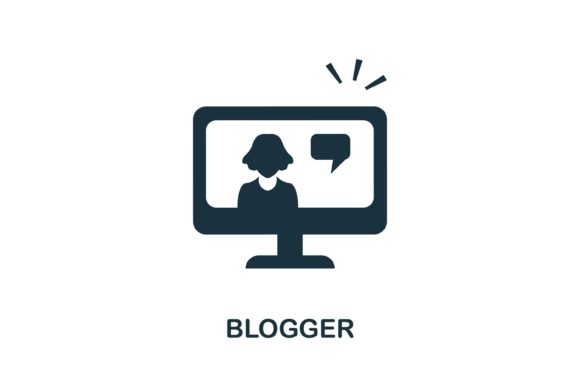
A Blogger Icon typically represents the concept of blogging through a simplified visual symbol. It may feature a stylized notepad, speech bubble, pencil, or even a blog post interface. These icons are often part of larger social media or content creation icon sets, making them ideal for websites that integrate with blogging platforms or promote content marketing.
Monochrome versions of the Blogger Icon are especially popular due to their clean, minimalist appearance. They blend seamlessly into modern web designs without overwhelming the layout or clashing with color schemes. Whether used in navigation menus, buttons, or infographic visuals, the Blogger Icon delivers a clear message with minimal visual noise.
Why the Blogger Icon Matters in Web Design
Icons like the Blogger Icon serve both aesthetic and functional purposes. From a design standpoint, they add visual interest and help break up text-heavy content. Functionally, they act as intuitive navigation aids, guiding users toward blog sections, article feeds, or editorial content.
- Clarity: A well-designed Blogger Icon instantly communicates the purpose of a link or section without the need for text.
- Consistency: When used within a larger icon set, the Blogger Icon maintains visual harmony across a website or app.
- Accessibility: Icons can improve accessibility by offering visual cues for users with reading or language barriers.
Designers often pair the Blogger Icon with other social media or content-related icons to create cohesive navigation systems. This is especially useful in responsive design, where space is limited and visual shorthand becomes essential.
File Formats and Flexibility
When downloading a Blogger Icon for use in a project, you'll typically receive multiple file formats. The most common include:
- EPS (Encapsulated PostScript): Ideal for scalable vector graphics, perfect for print and high-resolution web use.
- JPG (Joint Photographic Experts Group): A widely compatible raster format suitable for quick use in websites and presentations.
Having both formats ensures flexibility. Use the EPS file when editing or scaling the icon for different screen sizes or print materials. The JPG file is great for immediate placement on websites, social media graphics, or email newsletters.
Many Blogger Icon packages are designed with easy customization in mind. You can often recolor, resize, or combine them with other elements without losing quality. This makes them ideal for startups, bloggers, and web developers who need to maintain brand consistency across multiple platforms.
Practical Uses Across Industries
The Blogger Icon isn't limited to just personal blogs or CMS platforms. It has found a place in a variety of digital environments:
- Educational Websites: Used to guide users to article-based learning resources or instructor blogs.
- Marketing Platforms: Incorporated into dashboards to represent blog management tools or content calendars.
- Portfolio Sites: Helps creative professionals highlight their writing or thought leadership sections.
- News Aggregators: Serves as a visual tag for user-generated content or opinion pieces.
Its versatility also makes it a favorite among UI/UX designers. When placed strategically, the Blogger Icon can enhance the flow of a user interface, making it easier for visitors to locate and engage with written content.
Choosing the Right Blogger Icon for Your Project
When selecting a Blogger Icon, consider the following factors:
- Style: Does the icon match your brand's visual tone? Monochrome icons work well for minimalist and modern designs, while colored versions can add vibrancy.
- Scalability: Vector-based icons (like EPS files) are best for responsive designs that need to adapt to different screen sizes.
- Usage Context: Will the icon be used on a mobile app, website, or printed material? Choose formats and sizes accordingly.
- License: Always check the licensing terms to ensure you're allowed to modify and use the icon across your platforms.
Many designers recommend starting with a free sample or demo version of the Blogger Icon before purchasing a full set. This allows you to test its compatibility with your existing design elements and user interface flow.
Integrating the Blogger Icon into Templates and Infographics
One of the most effective uses of the Blogger Icon is in templates and infographics. Whether you're designing a WordPress theme, a Canva infographic, or a landing page layout, the icon can help structure your content more effectively.
For example, in a content marketing infographic, the Blogger Icon might be used alongside icons for social media, SEO, and email marketing to illustrate the different channels of digital outreach. In a website template, it can denote a blog section or a content submission form.
When used in templates, the Blogger Icon should be placed where users expect to find content-related actions. Common placements include:
- In the main navigation bar
- Next to blog post titles
- On buttons that link to editorial content
- Within dashboard interfaces for content management systems
Final Thoughts on Using the Blogger Icon
The Blogger Icon is more than just a visual element—it's a functional tool that improves navigation, enhances branding, and supports content discovery. Whether you're designing a personal blog, a corporate website, or a digital marketing campaign, this icon can make your interface more intuitive and visually appealing.
By choosing the right format, style, and placement, you can ensure that the Blogger Icon serves both form and function. As part of a larger design system, it contributes to a seamless user experience while reinforcing the importance of content in the digital landscape.